For hosts doing the inviting

    Pair the invitation message with a page that finishes the job

    The message opens the door; the page walks the guest in. A webinar invitation earns a second click when the wording reads like the hour will be worth it, and the page turns that into a registration.

    The invitation is two things

    First the message: a few lines in an inbox, a chat, or a newsletter, short enough to survive being read standing up. Its only job is to earn the click. Second the page it points at, which has the harder job of turning a click into a name on a list.

    Most failed invitations are not bad writing; they are a mismatch. A message promising one thing, a page organised around another, and a reader who notices the gap. The fix is to decide on the promise once, then repeat it in the message and honour it on the page: same headline idea, same agenda, same time.
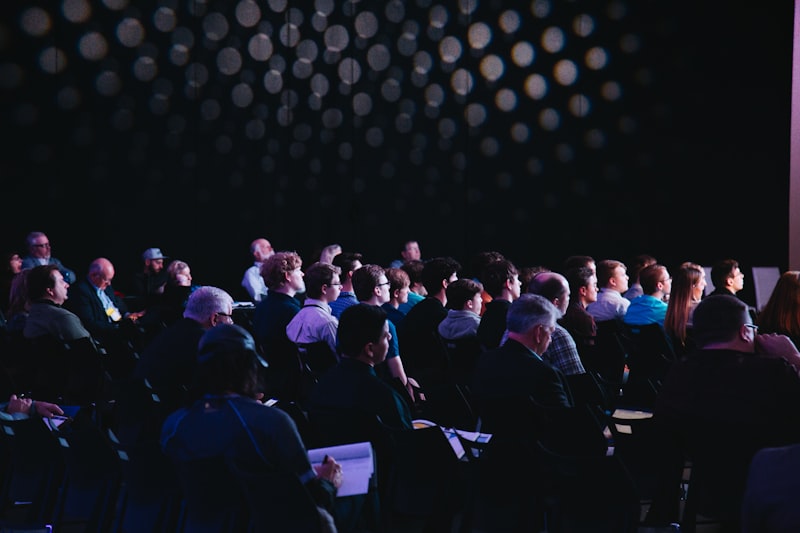
    How the two halves work together

    Each invitation type needs the page to answer it differently.

    Direct messages

    From you to someone who knows you. The page confirms what the message claimed: date, agenda, speaker, and a way to register in two fields.

    Email invites

    The email carries one link and a short reason to open it. The page holds the argument, so the email can stay three lines long.

    Social posts

    A post has one line, so the page must explain the whole session in a first screen: a promise line and a visible registration button.

    Sample invitation wording

    Plain, specific, one link. Nothing that has to be re-explained when the page opens.

    Direct message to a colleague
    I am running a short online session on reading research papers properly, Thursday 12 March at 18:00 CET, about an hour. The agenda and sign-up are on this page: the seats are capped, so register if you want one.
    Email invitation
    You asked how we fit user testing into a two-week cycle. On 12 March I am spending an hour showing exactly how: the setup, what we skip, what we keep. Sign-up and agenda here, and it will remind you beforehand.
    Social post
    An hour on applications: what gets read, what gets skimmed, what gets binned. Thursday 12 March, 18:00 CET, online, seats limited. Register on the page.

    Reminding registrants before the session

    The invitation's last act happens after the registration, in writing, once, at setup.

    • The confirmation right after registration: whose seat it is, when the session starts, and that their private link is in hand.
    • A short note the day before, naming the session and the time in the guest's terms.
    • One quiet reminder shortly before the start, with the link to reopen.
    • Nothing more than that, because the gap between an invitation and a nuisance is measured in emails.

    One address, from first message to last reminder

    The reason to send people to a page rather than a form is consistency. The same address carries the promise, the agenda, the speaker, the registration, and the joining instructions, and the reminders that follow can point at it without introducing a fourth version of the truth.

    On My Joyfullday that address is the webinar invite. You write the invitation wording, the page keeps it honest, and the reminder emails go out on the schedule you set at setup. Nothing gets lost between the message, the list, and the door.

    How it works

    Inviting with My Joyfullday

    Write the page before the message

    Shape the webinar invite first: promise line, agenda, speaker note, time with its zone, capacity. The invitation has something true to point at.

    Draft the message from the promise

    One reason to come, one link. Clara on the web or Jitabi on WhatsApp can draft the wording; keep it to what would survive being read on a phone.

    Pair message and page deliberately

    Direct note, email, or post: each carries a short claim, and the page repeats the claim in its first screen. Same promise, same time, same speaker.

    Let the reminders finish the inviting

    Write the confirmation and the pre-session notes at setup, so registrants get reminded on schedule and the last invitation before the hour needs nothing from you.

    Questions

    Common questions about webinar invitation page

    Should the invitation repeat everything on the page?

    No. The message carries one promise, the date, and the link; the page carries the agenda, the speaker, and the rest. Duplicating everything makes the message too long to read and the page too familiar to open.

    Is one invitation enough?

    For a session with a warm list, one well-timed message often is. Most hosts send a first invitation, a quiet note about closing seats, and let the scheduled reminder emails carry registrants to the hour. The reminders already happen, which keeps the invitation itself short.

    What does the reminder actually need to say?

    The name of the session, the time in the guest's terms, and the private link. Nothing else earns its place in a pre-session email, and the one thing a reminder must not be is the first time a guest learns the hour.

    Can the invitation wording be drafted with help?

    Yes. Describe the session to Jitabi on WhatsApp, or shape it with Clara on the web, and edit what comes back. A draft invitation reads better when it still sounds like the person who is running the session.

    Get Started

    Say it once, say it in both places

    A promise worth a click, a page that keeps it, and reminders that arrive before the hour does.

    Chat on WhatsApp